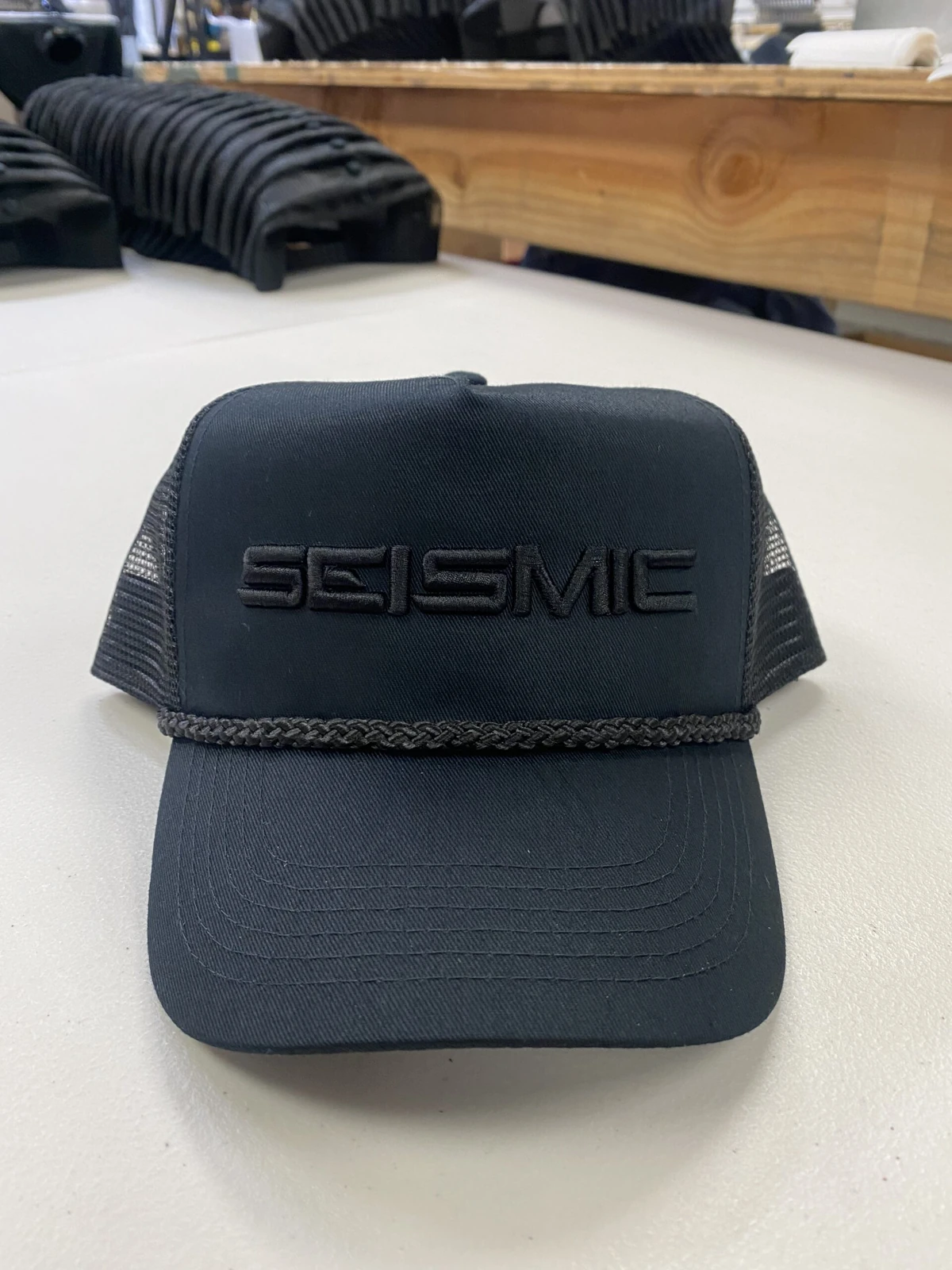
Puff creates a raised, expanded finish. High-density printing builds height with defined edges.
02Reflective & glow+
Reflective 3M responds to light. Glow-in-the-dark finishes are activated by UV light.
03Metallic & foil+
Add a reflective metallic or foil finish to make selected details shine.
04Glitter & shimmer+
Add a bright, light-catching finish with a range of glitter colors.
05Water-based printing+
A softer-feeling print option. Ask us which inks and garments suit your artwork.
✳
Finish availability depends on your artwork and garment. Tell us the effect you want, and we’ll talk through the right approach.
KNOW YOUR OPTIONS
THE FINISH IS ONLY THE START.
Some designs need more than color. A raised detail, a reflective accent, or a softer print can change how a piece feels in the hand and how the artwork reads on the body. Specialty printing starts with that intention: deciding which part of the design deserves attention and what kind of effect belongs there.
Explore puff, high density, reflective, glow-in-the-dark, glitter and shimmer, water-based printing, metallic, and foil finishes. These are different tools with different visual results. Share the effect you want alongside the artwork and garment, then let the project review establish which treatment is appropriate for the actual piece.
01
Build dimension into the design
Puff expands the printed design, while high density creates a raised effect with more defined edges. Consider whether the treatment belongs on the whole graphic or one selected element. Send a reference for the look you have in mind and point out the details that matter most, so the shop can discuss the artwork in context.
02
Decide how the print should catch light
Reflective, glitter, shimmer, metallic, and foil effects each bring a different kind of visual emphasis. Glow-in-the-dark introduces another way for a graphic to be experienced. Explain where and how the apparel will be worn, and which element should stand out. A clear description is more useful than asking for every available effect at once.
03
Treat the garment as part of the finish
A specialty print is a combination of artwork, ink or finish, fabric, and placement. Water-based printing is one option to discuss when a softer feel is a priority. Include garment composition or a product reference if you have one; compatibility, detail, and the final production approach need to be reviewed together.
WHERE IT FITS
THINK ABOUT THE END RESULT.
Apparel with a tactile detail
Statement logos and illustrated releases
Reflective or glow accents
Designs exploring shine or a softer feel
YOUR PROJECT CHECKLIST
A little preparation. A better conversation.
Name the effect you are exploring, or send a visual reference if you do not know its name.
Mark the exact parts of your artwork that should receive the specialty treatment.
Share the proposed garment style, color, and fabric information if you already have it.
Include your quantity, print locations, and any other graphics that appear on the same piece.
Describe your priorities: texture, shine, visibility, a softer feel, or a particular visual mood.
Some decisions need your actual artwork. These answers will help you start the conversation.
What is the difference between puff and high density?+
Puff expands the printed design, while high density builds a raised design with sharp edges. They create different kinds of dimension. Your artwork and the finish you prefer will help the shop determine which option is worth exploring.
Can I combine a specialty effect with a standard print?+
Include both in the same brief and show where each should appear. The shop needs to review the artwork, garment, and intended treatments together before confirming a production approach. A reference image can help explain the balance you want.
Is every finish suitable for every garment?+
Suitability needs to be checked against the specific fabric and design. Share a garment reference before making a final selection, especially if you already own the blanks. The available options can then be discussed around your actual project.
How should I describe a finish I have seen elsewhere?+
Send a photo and explain what you like about it: the height, sheen, texture, or way it reacts to light. Treat that reference as a starting point for discussion. The shop can review what is achievable with your artwork and garment.
BEFORE YOU ORDER
GET YOUR PROJECT READY.
Helpful reading for your next conversation with the shop.