Screen printing vs. embroidery: choosing the right finish
Ink or thread? Start with the garment, the artwork, and how you want the finished piece to feel.
Screen printing and embroidery can both put your identity on apparel, but they create different results. Screen printing builds the graphic with ink; embroidery creates it with thread. The useful question is which method fits your design, product, and intended use. A large illustrated T-shirt and a small logo on a cap may need different approaches, even when they belong to the same collection.
Start with the garment and its purpose
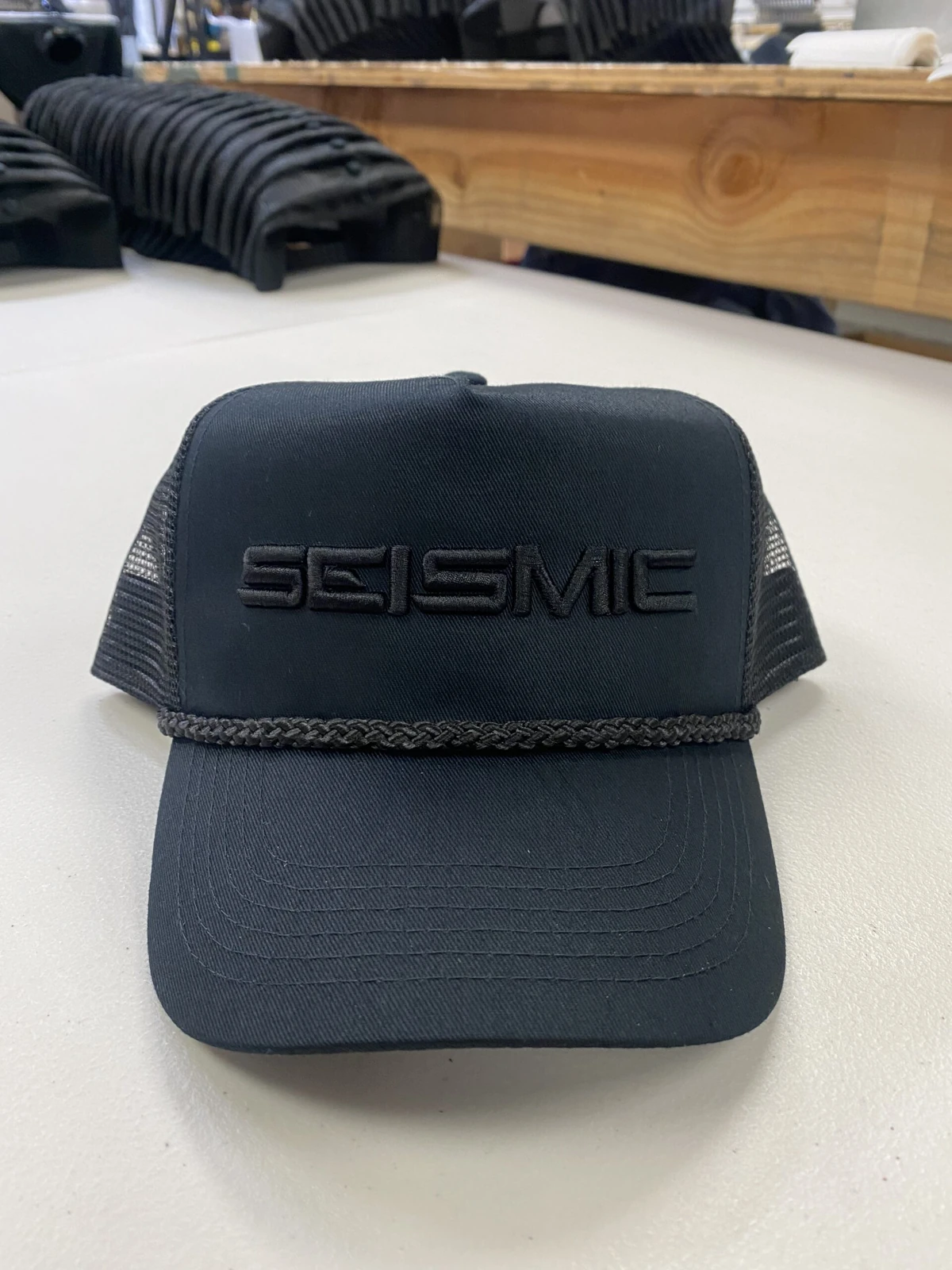
Think about who will wear the piece and where. Event T-shirts, crew sweatshirts, polos, and caps each give a design a different setting. Screen printing is a direction to explore for a shared graphic on tees and sweatshirts. Embroidery is a direction to explore for a textured logo on headwear, polos, and other apparel.
Choose a product reference early if you can. Fabric, seams, pockets, and the available decoration area all matter. A placement that looks straightforward on a flat drawing may need adjustment on the actual garment. If you plan to supply blanks yourself, ask the shop to review them before you buy.
Look at the artwork at its intended size
A logo should be reviewed at the size people will actually see. Small lettering, fine lines, and narrow gaps deserve particular attention when translated into thread. Identify the details that must remain readable and share approximate dimensions. The original artwork gives the shop more context than a screenshot of a finished garment.
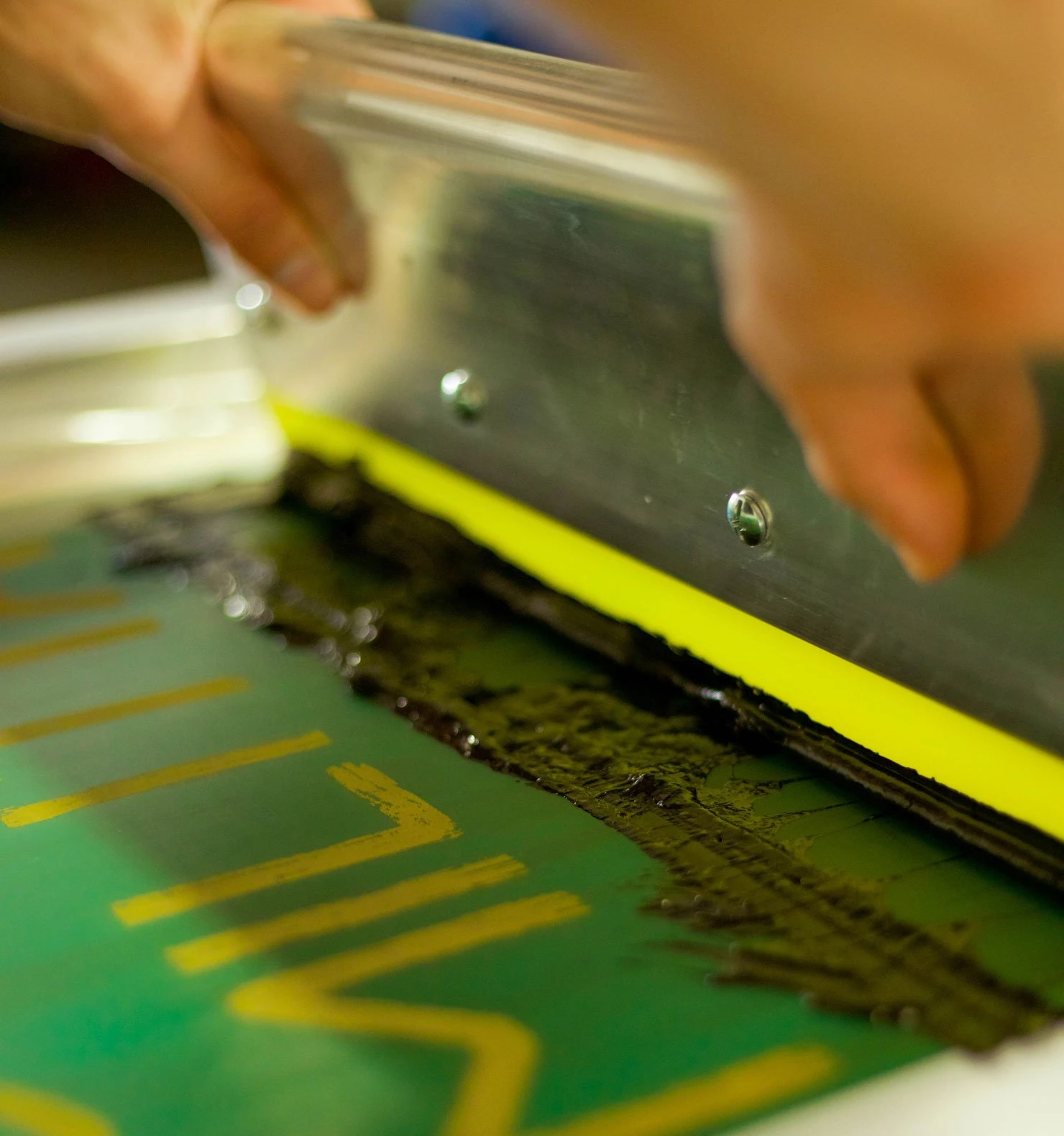
For printing, the design influences the process. Grizzly offers spot color, four color process, and simulated process printing. A logo made of solid colors and a detailed illustration can call for different treatment. The garment color matters too. Share the artwork and desired shirt together, rather than selecting a technique from its name alone.
Compare the finish you want to create
Embroidery brings visible thread and texture to a mark. Printing offers a different visual language, from a clean solid graphic to detailed imagery. Neither choice should be treated as a universal upgrade. The right direction supports the style of the piece and keeps the design clear at its chosen location.
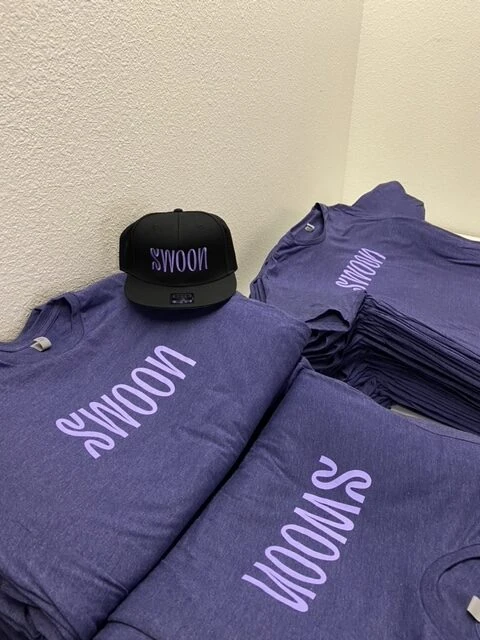
If texture or a particular visual effect is central to the idea, look at specialty printing as well. Grizzly lists options including puff, high density, reflective, glow-in-the-dark, metallic, and foil finishes. Describe the effect and which part of the art should receive it. Compatibility with the garment and design still needs review.
Let the complete order shape the decision
Include quantities, product styles, colors, sizes, and every decoration location when comparing options. Grizzly's screen printing minimum is 12 pieces. Ask about the requirements for an embroidery project rather than assuming the same minimum applies. Pricing and the production schedule need to be confirmed for the actual request.
A coordinated range can use more than one method. You might discuss a printed tee alongside an embroidered cap, or shared graphics with individual names and numbers. Explain how the pieces relate, and let the shop review each product and placement as part of the whole brief.
Bring these five details to the conversation
- The garment or product you want to decorate, including its color and any fabric information.
- Original artwork and the details that must remain readable at the finished size.
- Every intended location, with approximate dimensions or a marked reference image.
- Total quantities, sizes, and variations between products or designs.
- Your preferred look, intended use, and the date the finished order is needed.
Bring the design. We can discuss the method.
Send the artwork and product direction with your brief. Grizzly can review the combination before you commit to a production approach.
Build your project brief